
Book Appointment Now
Core Craft Skills: Building the Foundation for Confident Making
Core craft skills are the backbone of all handmade work. Regardless of whether you work with wood, fabric, paper, or mixed materials, the same fundamental abilities appear again and again. When these skills are understood and practiced correctly, projects become more precise, durable, and enjoyable to complete. Developing strong foundations allows makers to approach new materials and techniques with confidence rather than uncertainty.
Why Core Skills Matter in Craft Work
Many creative mistakes are not caused by lack of talent, but by weak fundamentals. Inconsistent measurements, rushed cutting, and poor assembly can undermine even the most creative ideas. Core craft skills provide structure and control, allowing creativity to grow on a reliable base.
When basic techniques are mastered, makers spend less time fixing errors and more time refining ideas. This leads to better results, stronger projects, and greater satisfaction throughout the creative process.
Measuring and Planning
Accurate measurement is one of the most important skills in any craft discipline. Planning before starting a project helps prevent material waste and structural problems.
Good measuring habits include checking dimensions more than once, marking clearly, and understanding how small inaccuracies can affect the final result. Planning also involves visualizing the project, identifying steps, and preparing tools and materials in advance.
Cutting and Shaping Materials
Cutting transforms raw materials into usable components. Whether using scissors, knives, or saws, clean and controlled cuts are essential for proper assembly.
Shaping allows materials to fit together smoothly and comfortably. This may involve trimming edges, rounding corners, or adjusting thickness. Practicing steady hand control and choosing the right cutting tool for each material improves both safety and precision.
Joining and Assembly Techniques
Joining is the process of connecting separate parts into a stable structure. Common joining methods include stitching, gluing, nailing, screwing, or folding, depending on the material.
Strong joints require proper alignment and appropriate techniques. Rushing assembly often leads to weak connections or misaligned parts. Taking time to secure joints correctly improves durability and ensures that the final piece functions as intended.
Surface Preparation
Surface preparation is often overlooked, yet it significantly affects both appearance and longevity. Cleaning, sanding, pressing, or smoothing materials prepares them for finishing and assembly.
Well-prepared surfaces allow adhesives to bond properly and finishes to apply evenly. This step also improves the overall feel of a finished piece, making it look more refined and intentional.
Finishing Skills
Finishing protects and enhances a project. This can include painting, staining, sealing, or coating surfaces to improve durability and appearance.
Applying finishes evenly requires patience and attention to detail. Thin, controlled layers typically produce better results than thick applications. Proper drying time between layers is also essential for achieving a clean and lasting finish.
Tool Handling and Control
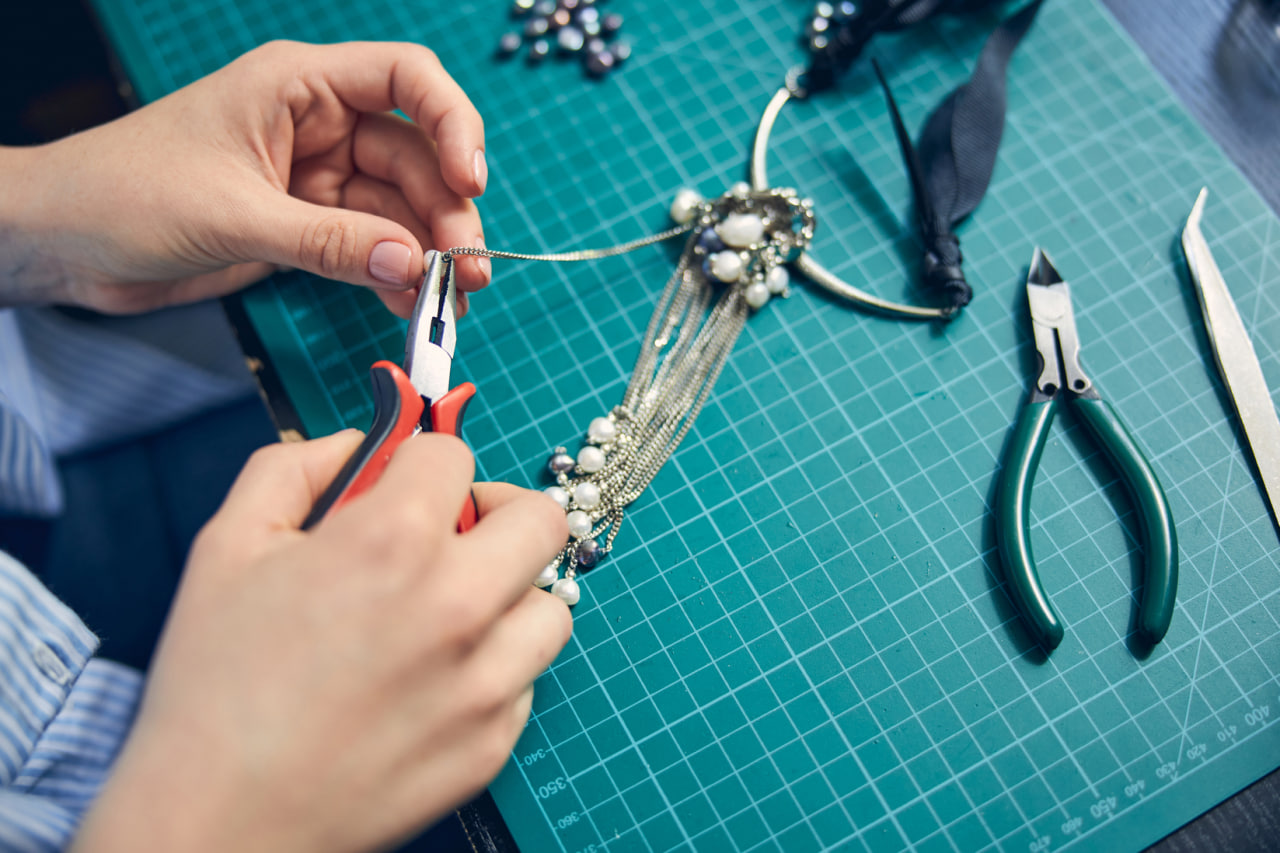
Understanding how to handle tools correctly is a core craft skill that impacts both safety and quality. Each tool is designed for a specific purpose, and using it incorrectly can damage materials or cause injury.
Good tool control comes from proper grip, stable positioning, and controlled movement. Over time, familiarity with tools increases efficiency and confidence, allowing makers to work more smoothly and accurately.
Developing Skill Through Repetition
Core skills improve through consistent practice. Repeating basic actions such as measuring, cutting, and assembling builds muscle memory and reduces hesitation.
Simple exercises and small projects are effective ways to reinforce these skills. Each repetition strengthens understanding and prepares makers for more complex challenges.
Building Confidence Through Fundamentals
Mastering core craft skills transforms the creative experience. Projects become less stressful and more predictable, mistakes are easier to correct, and experimentation feels safer.
Strong fundamentals allow makers to explore new materials and techniques without fear. By focusing on core craft skills, beginners and experienced creators alike can build a solid foundation that supports long-term creative growth and successful handmade projects.